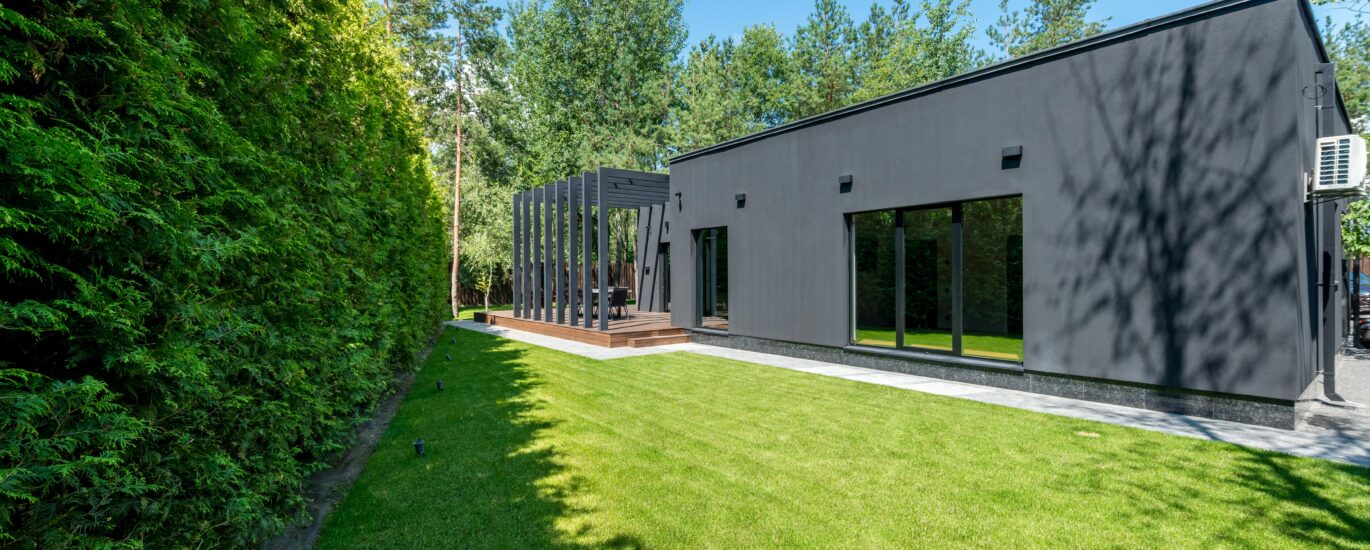
California ADUs: The Smartest Home Investment in 2025
If you own property in Southern California, you have a significant — and underutilized — financial opportunity in your backyard. Literally.
Accessory Dwelling Units (ADUs) — also called backyard homes, granny flats, or guest houses — have become one of the most powerful tools available to California homeowners. Whether you’re looking to generate rental income, house family members, create a dedicated workspace, or simply maximize your property’s value, an ADU may be the most strategic investment you can make in 2025.
What’s the Rental Income Potential for a California ADU?
In most Southern California markets, a well-designed one-bedroom ADU can rent for $1,500–$2,500 per month. In higher-cost areas near Santa Clarita, that figure can push higher.
For homeowners carrying mortgages in the $2,000–$3,000 per month range, a rental ADU can effectively offset your entire housing payment. That’s not a minor benefit — that’s financial transformation.
Beyond rental income, ADUs add measurable square footage and functionality that translate directly to higher resale value. Unlike a pool or luxury kitchen remodel, ADUs represent expansion that buyers can immediately understand and value.
California ADU Laws Have Made Construction Significantly Easier
Here’s the rare good news on California regulations: recent state law changes have dramatically streamlined ADU permitting and construction. The previous bureaucratic obstacles that made ADU projects complicated and expensive have been largely eliminated.
Most single-family homes in Southern California can now add an ADU without minimum lot size requirements, with streamlined permitting processes, and in many cases without additional parking requirements.
That said, each city retains its own specific requirements and timelines. Working with builders who know the local regulatory landscape — like GCC Partners, which builds throughout Santa Clarita Valley, the Antelope Valley, and the High Desert — ensures you navigate the process efficiently.
Who Is Building ADUs in Southern California Right Now?
ADU buyers aren’t abstract investors — they’re solving real family problems:
Retirees using rental income to supplement fixed-income budgets. Young families housing live-in childcare help on their property. Empty nesters who want to downsize their living footprint without selling the family home. Entrepreneurs who need professional workspace that’s genuinely separate from family life. Adult children who need affordable housing while saving for their own first home.
The common thread: these are practical people making smart, forward-thinking decisions about how their property can serve their family’s evolving needs.
What Does ADU Construction Actually Cost in California?
ADU construction isn’t a quick online purchase — it’s a real building project requiring permits, planning, and professional execution. Costs vary significantly based on size, finish level, and local requirements.
For a detached ADU in the 400–800 square foot range, construction costs in Southern California typically run $150,000–$350,000 depending on scope and location. That sounds significant, but against potential rental income of $18,000–$30,000 annually, the math often pencils out well for long-term owners.
The most important factor isn’t cost — it’s choosing builders who understand both construction quality and the local regulatory environment. GCC Partners has built ADUs and new homes throughout Southern California’s diverse regulatory jurisdictions. We know what works where.
Is an ADU Right for Your Property?
Every lot is different. Every family situation is unique. California’s expanded ADU laws have opened up possibilities that simply didn’t exist a few years ago — but understanding what’s possible on your specific property requires an honest conversation.
GCC Partners works with homeowners throughout Santa Clarita Valley, the Antelope Valley, and the High Desert to evaluate ADU opportunities. We’ll give you straight answers about feasibility, realistic costs, timeline, and expected return on investment. No pressure — just honest information about what makes sense for your situation.