Decorating Your New GCC Partners Home: What’s Trending in 2025
One of the underrated joys of buying a new construction home is starting fresh. No one else’s design choices to work around, no dated wallpaper to strip, no previous owner’s color palette clashing with your vision. Your new GCC Partners home is a blank canvas — and 2025’s design trends offer a compelling direction for making it genuinely feel like yours.
Here’s what California buyers are gravitating toward in their new homes this year.
Biophilic Design: Bringing the Outdoors Into Your New Home
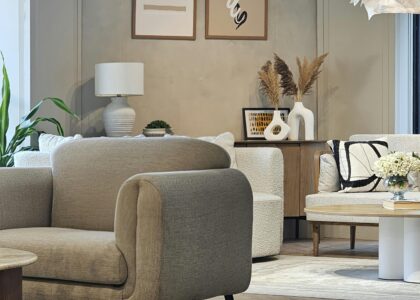
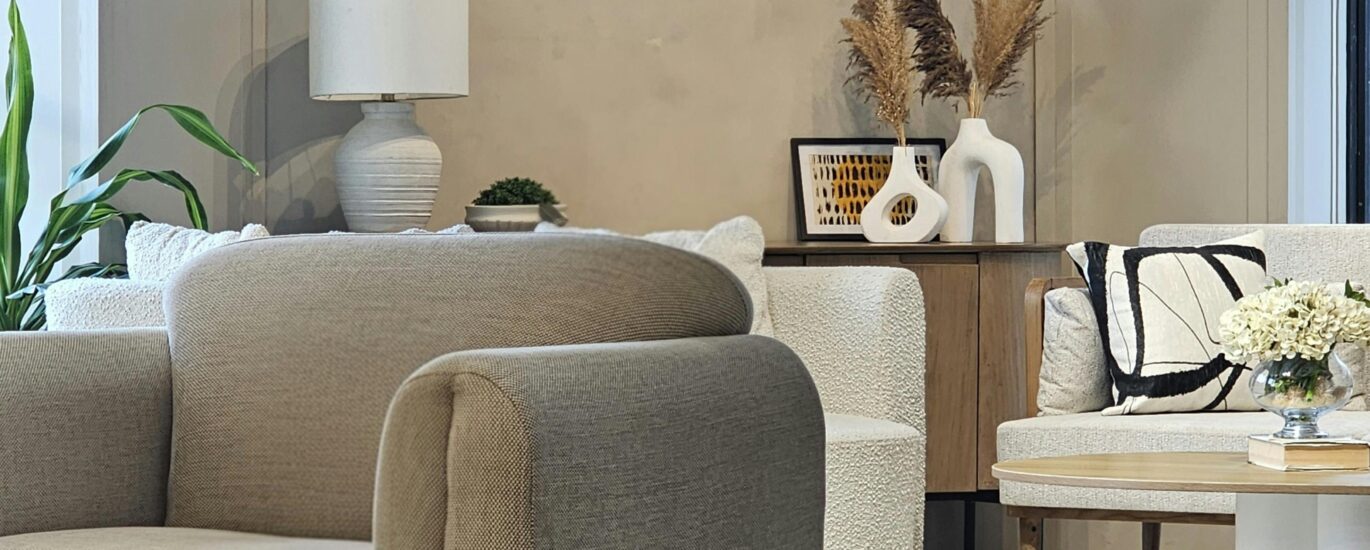
The strongest sustained trend in residential interior design is biophilic design — the intentional integration of natural elements into interior spaces. In practical terms, this means indoor plants scaled to room size, natural wood tones in furniture and cabinetry, stone or concrete accent surfaces, and earth-toned textiles.
For new GCC Partners homeowners in the High Desert and Antelope Valley, this trend connects beautifully with the surrounding landscape. Desert plants like succulents, agaves, and native grasses brought inside echo the Mojave terrain just outside your windows — creating a sense of continuity between interior and exterior that’s distinctive and calming.
Earth Tones and Warm Neutrals: The Color Palette for 2025
The cool gray interiors that dominated the 2010s have given way to warmer, earthier palettes. Terracotta, warm ochre, sand, deep sage, and warm off-whites are the colors California homeowners are choosing in 2025.
These tones work particularly well with the natural light patterns of Southern California — the warm golden quality of High Desert and Antelope Valley light makes these palettes sing at sunset. For buyers selecting paint colors and finishing touches in their new GCC Partners home, the warm neutral direction is both on-trend and genuinely timeless.
Home Office Design: Making Your New Construction Workspace Actually Work
Remote work has permanently elevated the home office from afterthought to priority room. New GCC Partners homes include dedicated office space or flex rooms specifically to meet this need — and how you design that space directly impacts both your productivity and your home’s appeal at resale.
2025 home office priorities: Built-in storage that eliminates visual clutter. Proper task lighting plus natural light from a well-placed window. Acoustic consideration — a door that closes, wall treatments that absorb sound. Clean cable management for a professional video background. A design scheme that signals “this is a serious workspace,” not a spare bedroom with a desk shoved in the corner.
Smart Home Technology as Interior Design
New GCC Partners homes are built with smart home infrastructure in mind — and in 2025, smart home technology has evolved to the point where it enhances rather than disrupts interior aesthetics.
Flush-mounted smart panels, hidden speaker systems, streamlined thermostat designs, and wireless lighting control have replaced the bulky, visually intrusive tech of early smart home adoption. The practical benefits — energy management, security, comfort control — come without the design penalty they once imposed.
For buyers configuring their new home, integrating smart lighting and climate control from day one is far easier and more elegant than retrofitting an older home.
Mixing Vintage Pieces With New Construction: A Design Strategy That Works
One of the most effective approaches to decorating a new construction home is strategic contrast: introducing vintage, antique, or handcrafted pieces into a modern, clean-lined space.
The crisp, contemporary architecture of a new GCC Partners home provides a perfect backdrop for a vintage dining table, handmade ceramic pieces, or heirloom furniture. The contrast adds character and warmth that pure new-construction interiors can sometimes lack — without any of the maintenance challenges of living in an actually old home.
This approach is sustainable, personal, and results in spaces that look genuinely curated rather than assembled from a single showroom. It’s also budget-friendly: a few carefully chosen vintage pieces can transform a space far more effectively than a room full of new furniture.